
PINOCCHIO. WHAT IS A PERSON?
Teatro di Napoli & Interno5, Naples, Italy
Director: Davide Iodice
Neapolitan language with Hungarian and English subtitles
1 hours, without breaks.
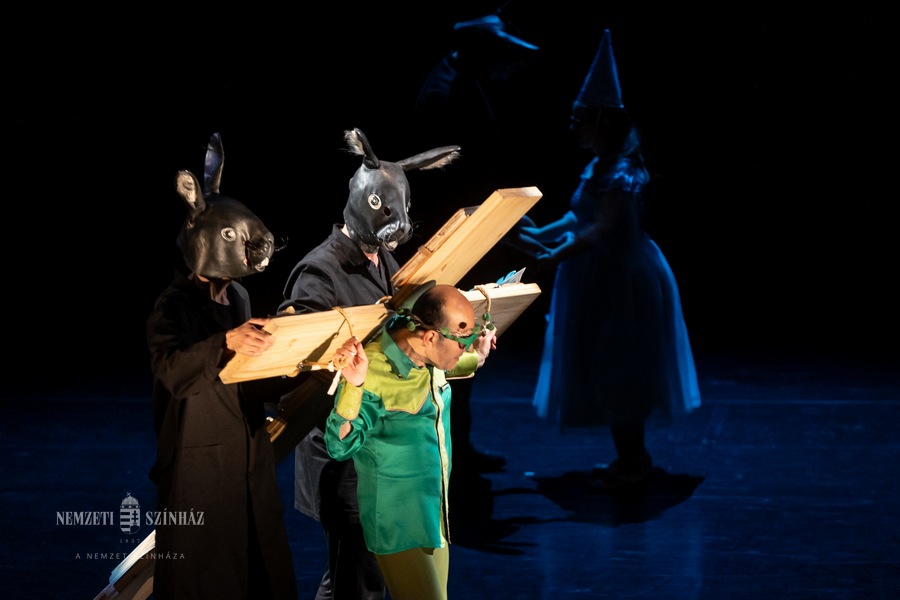
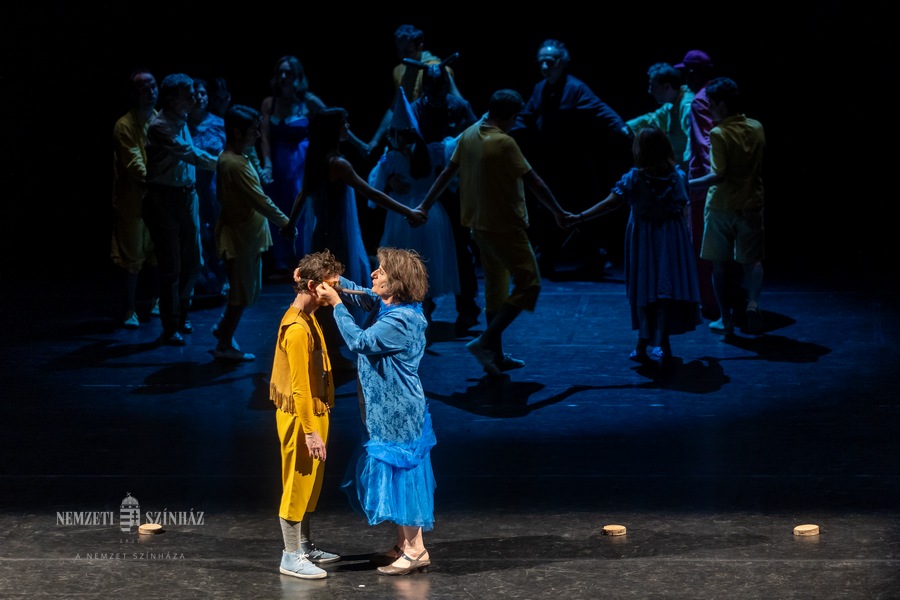
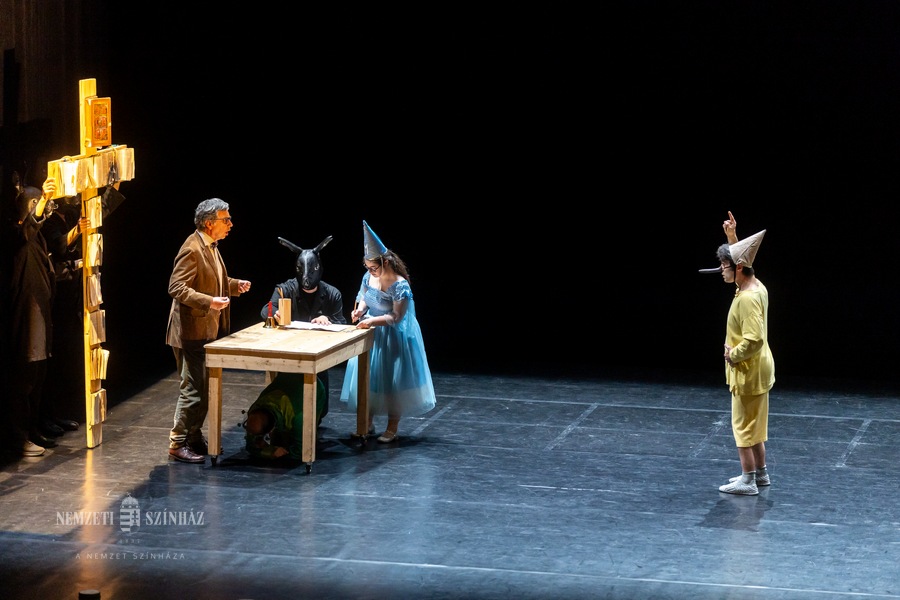
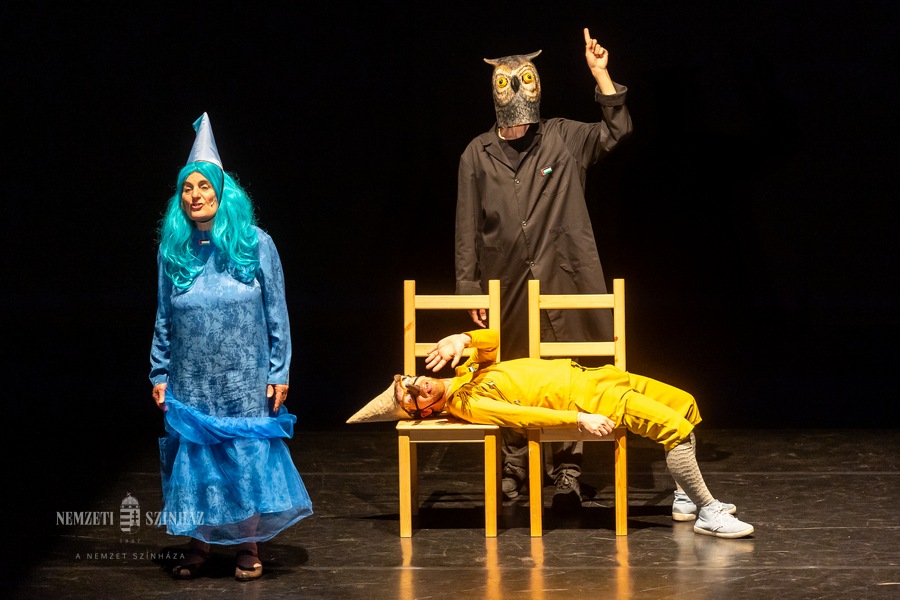
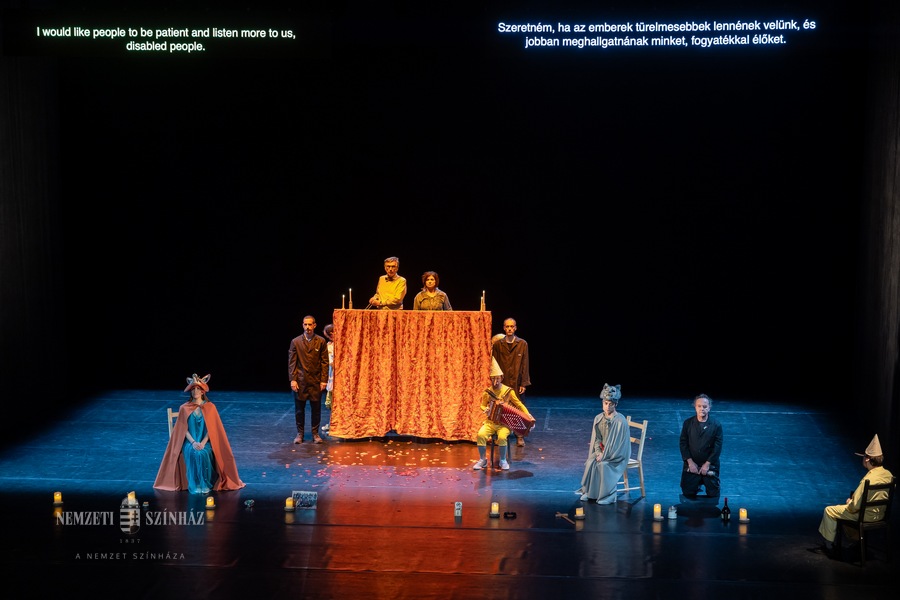
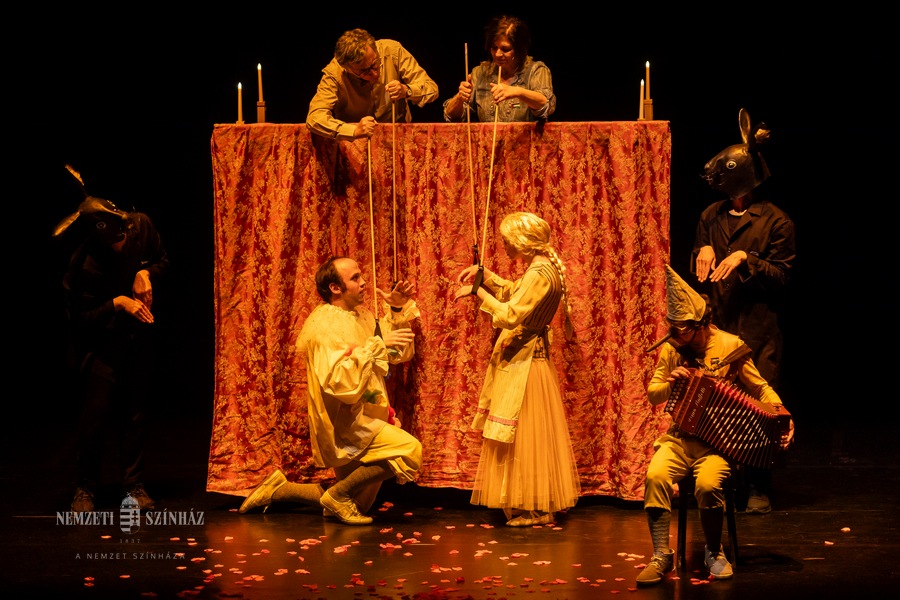
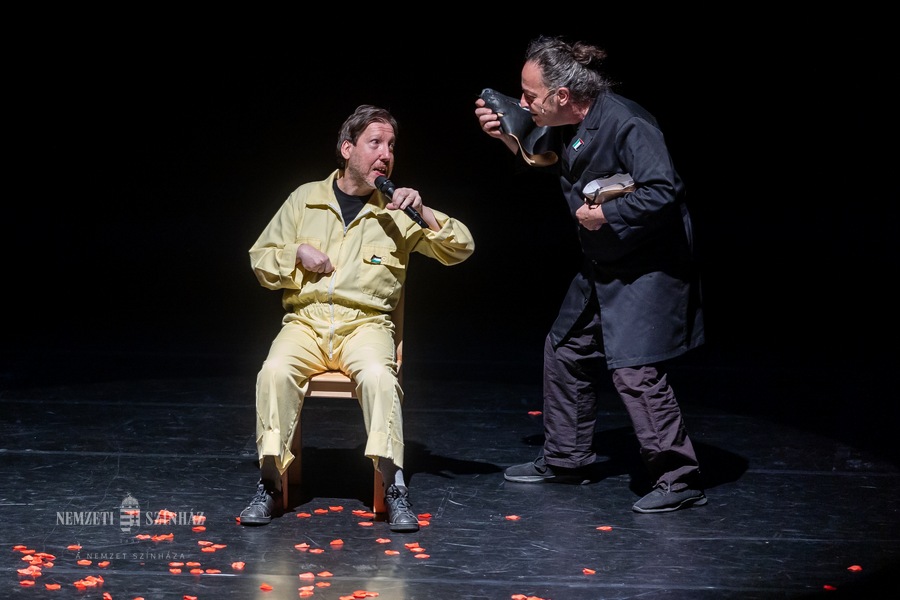
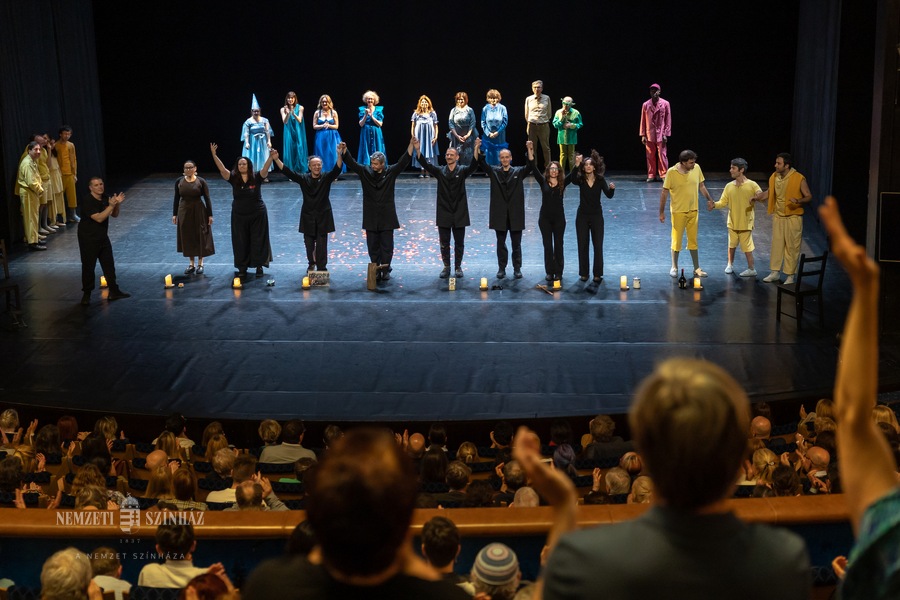
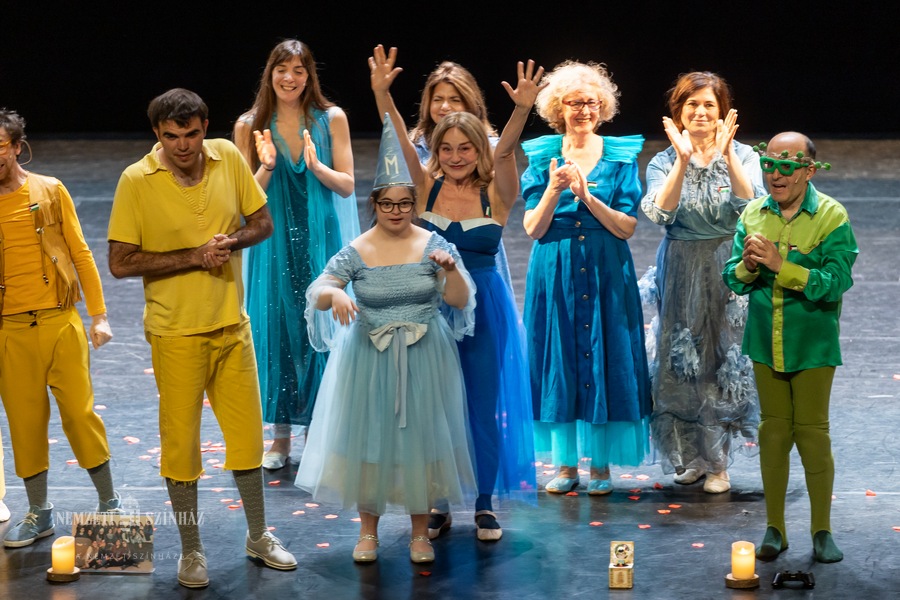
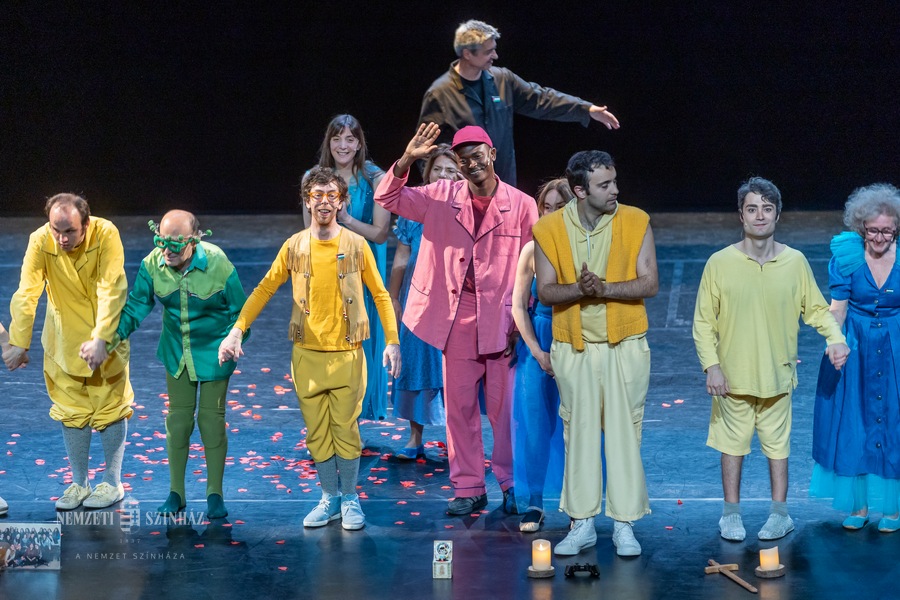
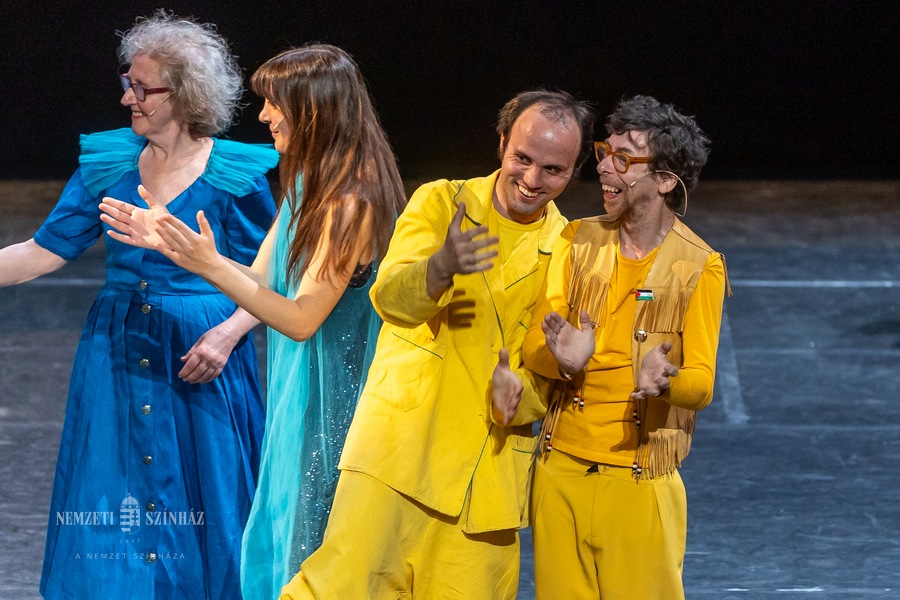
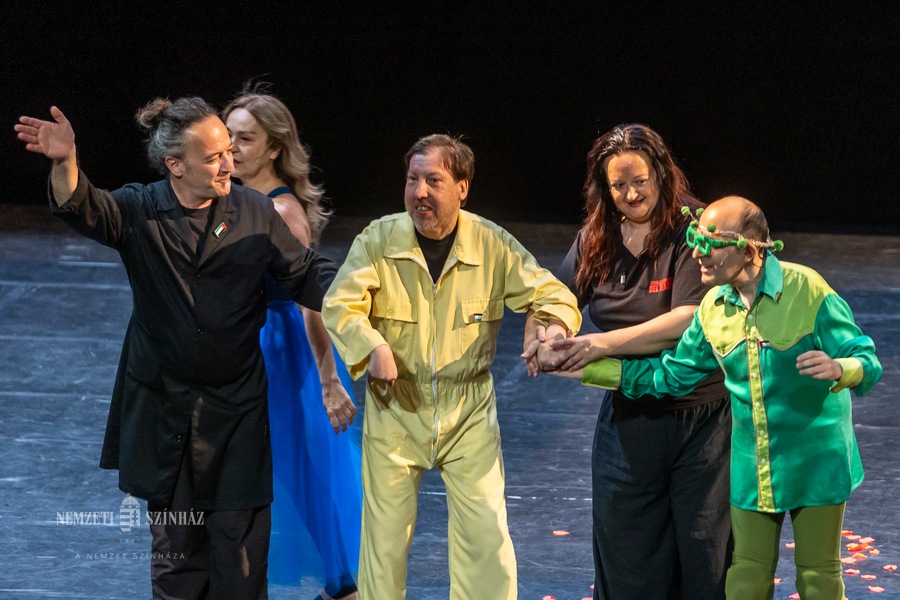
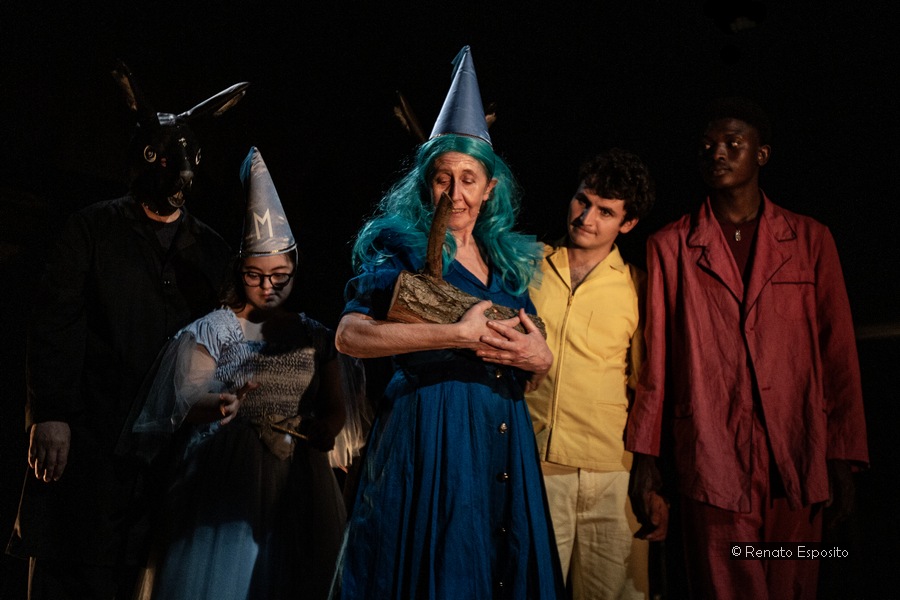
The puppet Pinocchio has provided a kind of symbolic kinship with the children in our varied group, many of whom suffer from a range of conditions such as Asperger’s syndrome, Down’s syndrome, Williams’ syndrome, and different forms of autism. And he belongs to the same family as those children who have miraculously escaped from crime, or are in the process of redefining their lives after being released from prison, which they either couldn’t or didn’t know how to avoid.
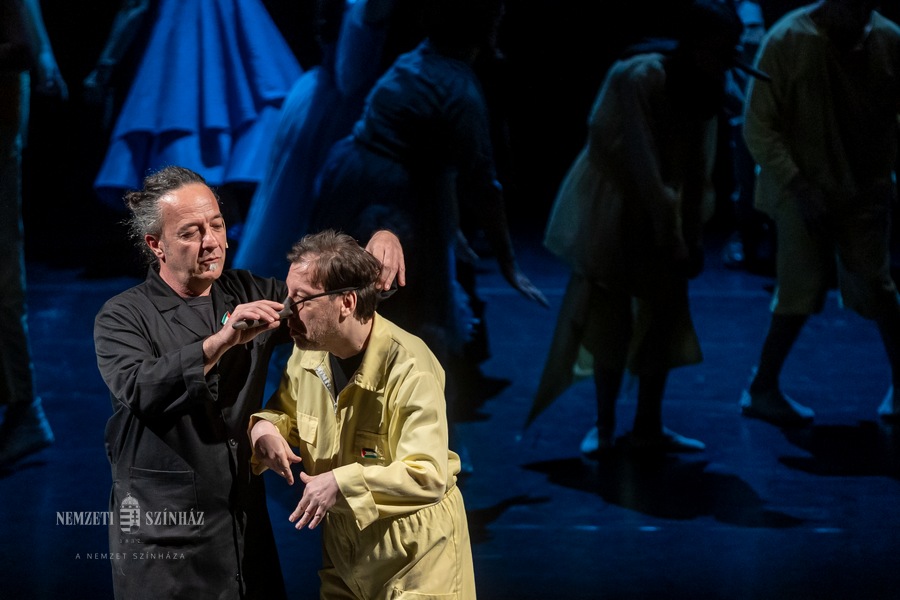
Along with the other symbolic characters that feature in his tale, Pinocchio seems to personify all the incomprehensible or misunderstood features of teenage life, whose torments – at times steeped in joyful fury, at others appearing dark and irredeemable – are the reflection of an adult society that is either a caricature of itself or in ruin. Pinocchio embodies difference, and all those who are different, with their anarchic and disruptive energy.
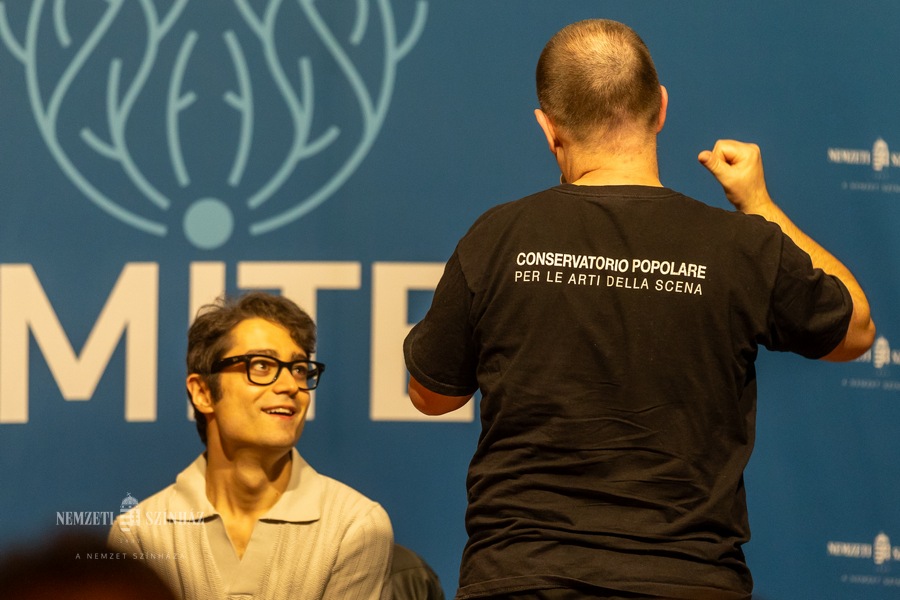
In an earlier draft, Pinocchio’s story ended with the puppet hanging itself, as if to suggest there was no way out. It was then revised by Carlo Collodi with a final, conciliatory, benevolent transformation into a child, into a person. Fine. But what is a person? The work of redefining identities through the instrument of Art, the centrality of the person and his fragilities, are the principles at the basis of the pedagogy of Scuola Elementare del Teatro, Conservatorio Popolare per le Arti della Scena for the stage arts.
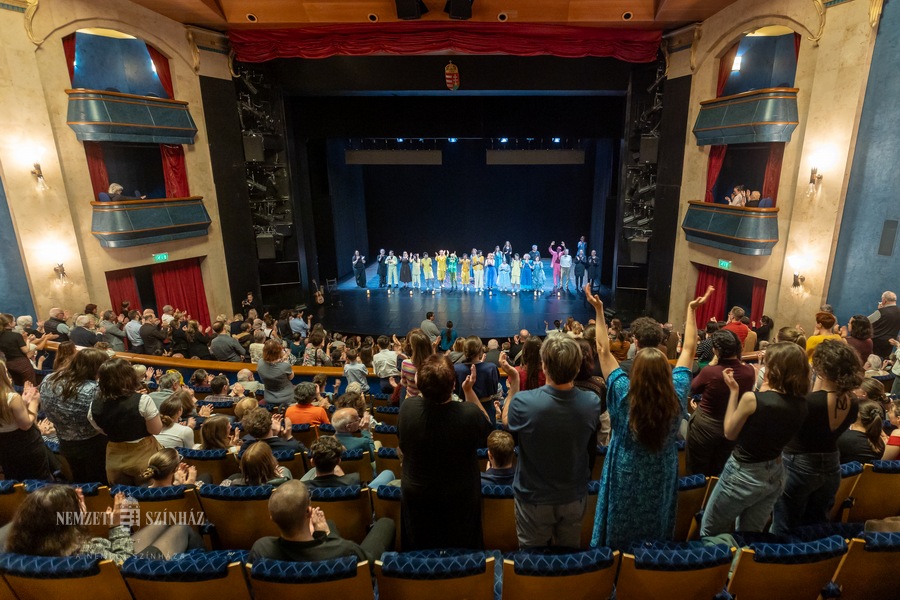
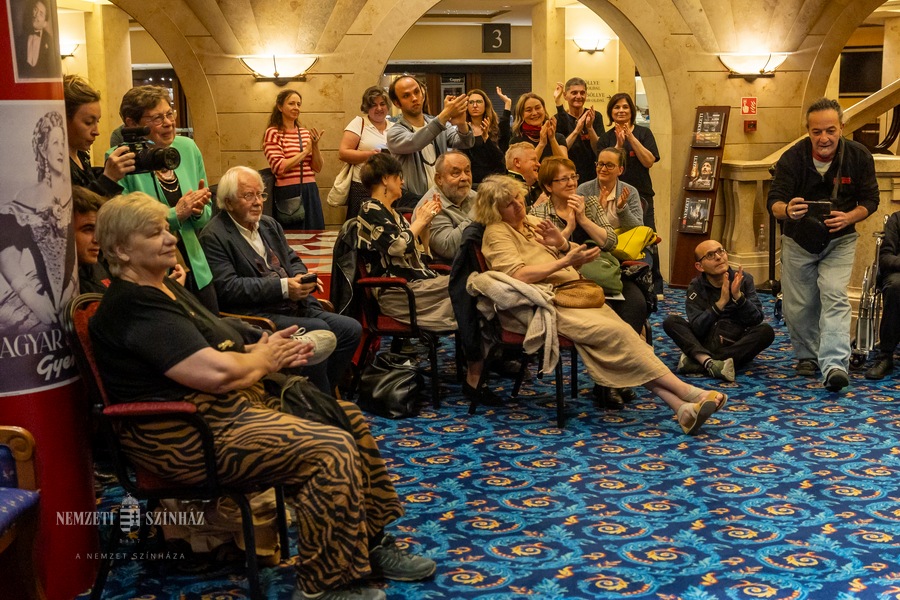
This scenic study brings on stage some students of the Conservatorio Popolare, together with their parents, and also marks the launch of the Compagnia, with which the Scuola Elementare del Teatro builds a new piece of its community history.
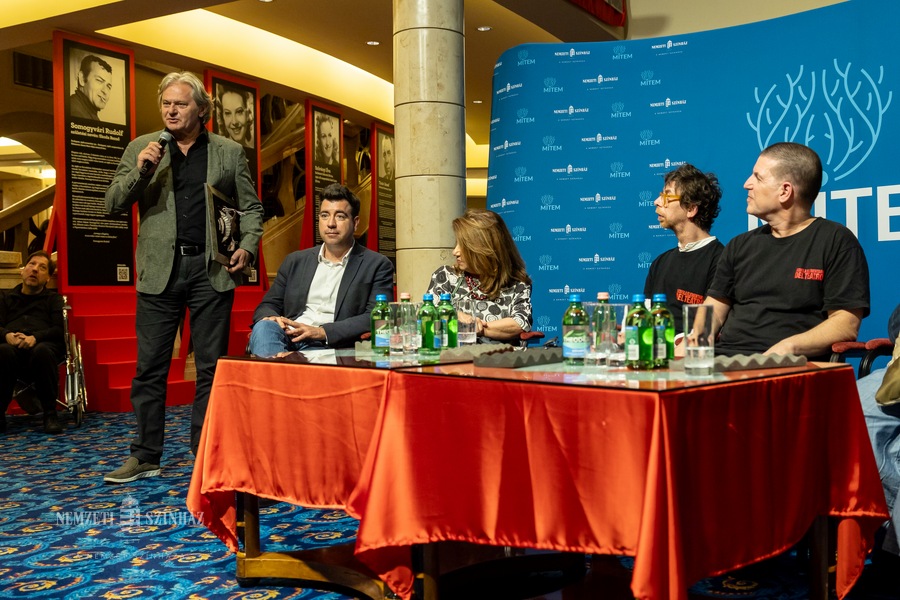
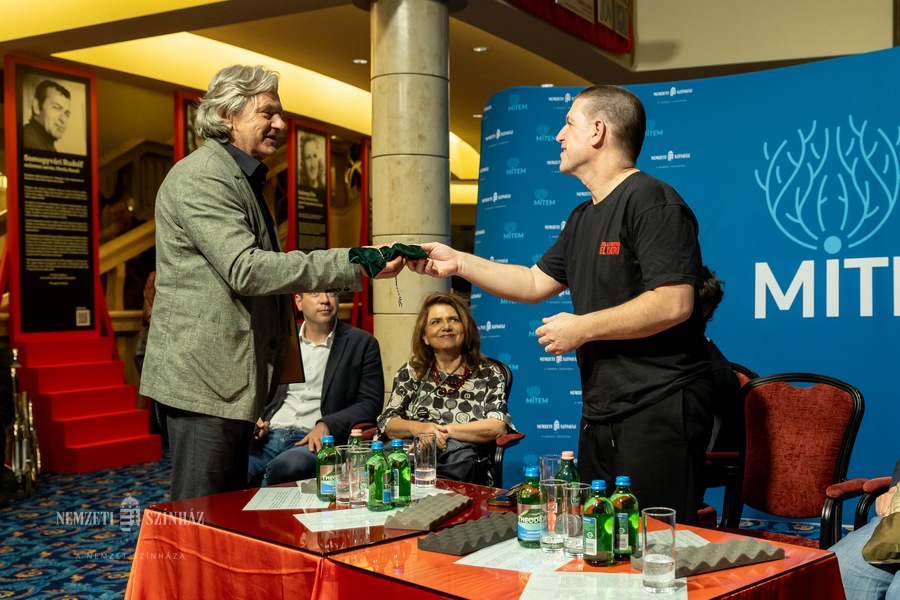
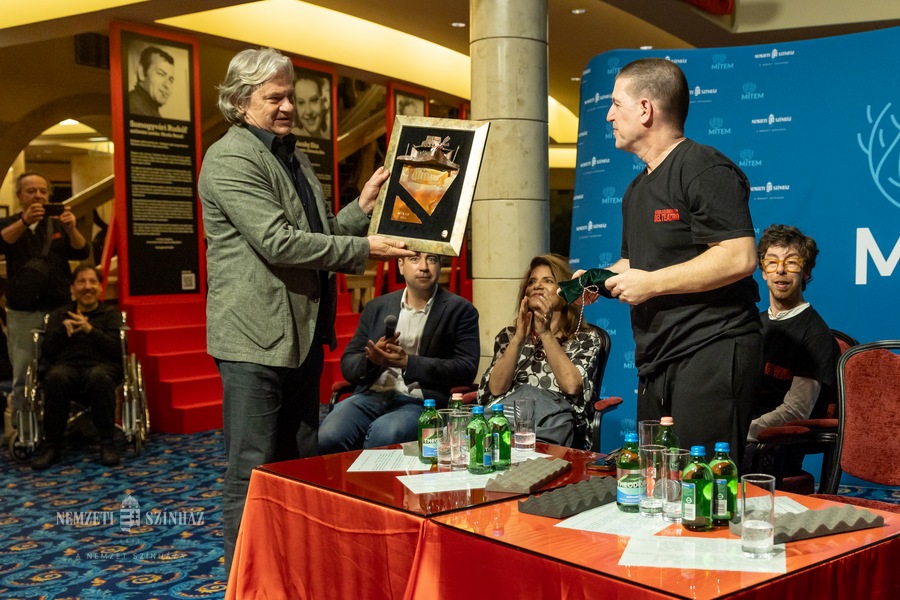
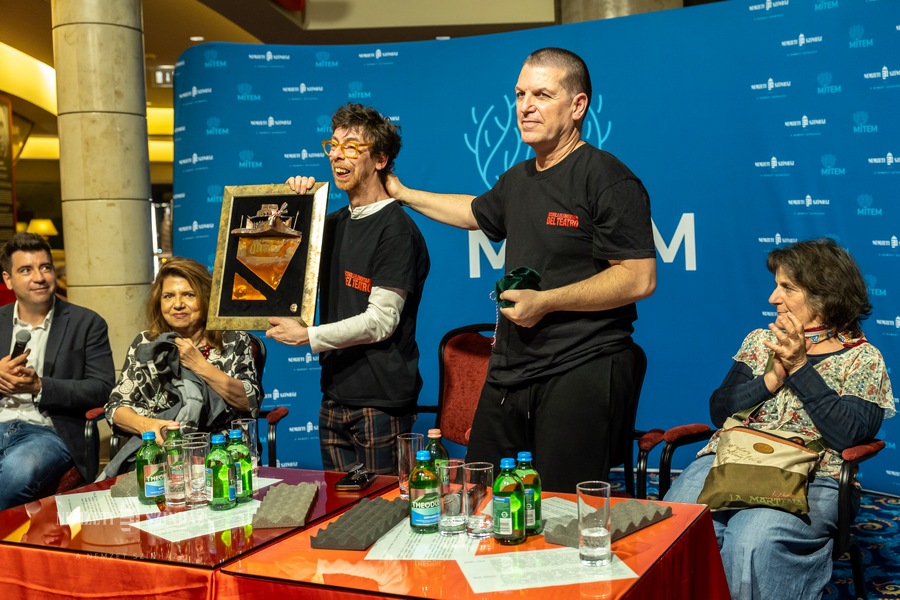
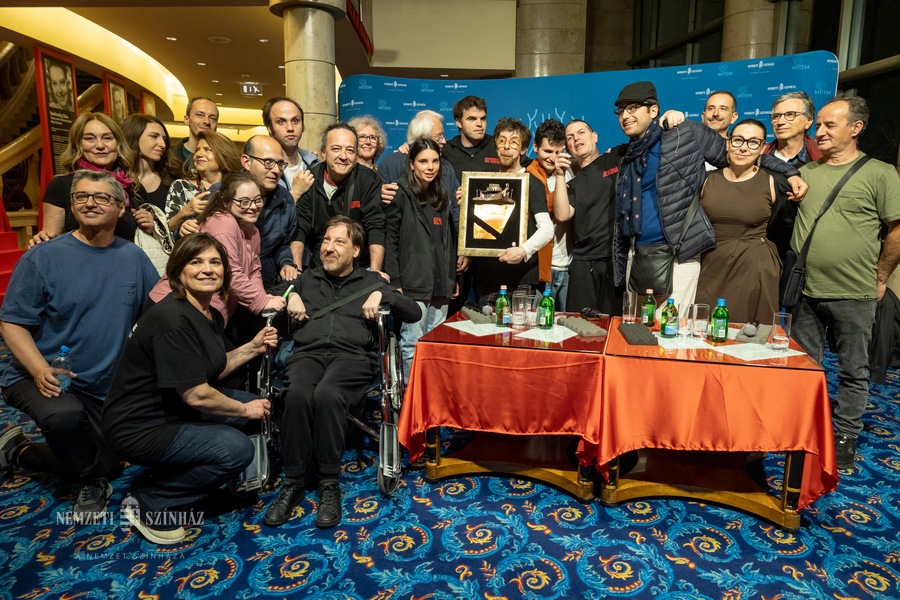
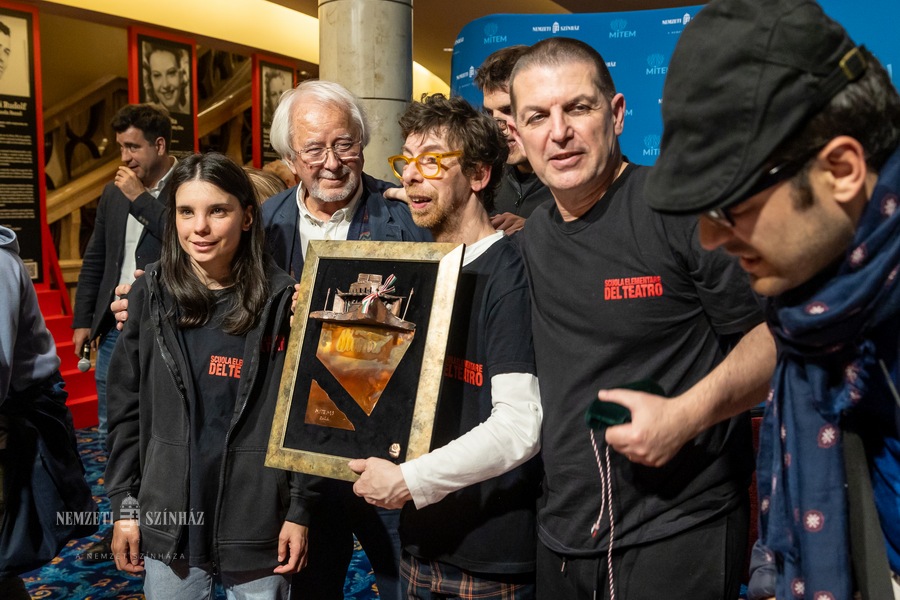
The Neapolitan Pinocchio, which was also selected for the Venice Biennale programme, received the Special Prize of the prestigious Italian Ubu Theatre Awards in 2024.
Verses edited by Giovanna Silvestri.
Actors:
Giorgio Albero, Gaetano Balzano, Danilo Blaquier, Federico Caccese, Stefano Cocifoglia, Giuseppe De Cesare, Simona De Cesare, Patrizia De Rosa, Gianluca De Stefano, Paola Delli Paoli, Chiara Alina Di Sarno, Ciro Esposito, Aliù Fofana, Cynthia Fiumanò, Vincenzo Iaquinangelo, Marino Mazzei, Serena Mazzei, Giuseppina Oliva, Ariele Pone, Tommaso Renzuto Iodice, Eleonora Ricciardi, Giovanna Silvestri, Jurij Tognaccini, Renato Tognaccini
Creators:
Movement training and study: Chiara Alborino and Lia Gusein-Zad
Stage designer: Ivan Gordiano Borrelli
Costume designer: Daniela Salernitano, Federica Ferreri
Choreographer: Chiara Alborino
Masks: Tiziano Fario, Davide Iodice
Sound technician: Luigi Di Martino
Lighting technician: Simone Picardi
Still photographer: Renato Esposito
Production manager: Hilenia De Falco
International Tour Manager: Danilo Soddu
Thanks to: Gariele D’Elia, Natalia Di Vivo, Tonia Persico, Ilaria Scarano
Creative staff:
Concept, dramaturgy, direction, set design, lighting: Davide Iodice
Company: Scuola elementare del teatro
Production: Interno 5 and Teatro di Napoli – Teatro Nazionale
Verses edited by: Giovanna Silvestri.
Davide Iodice
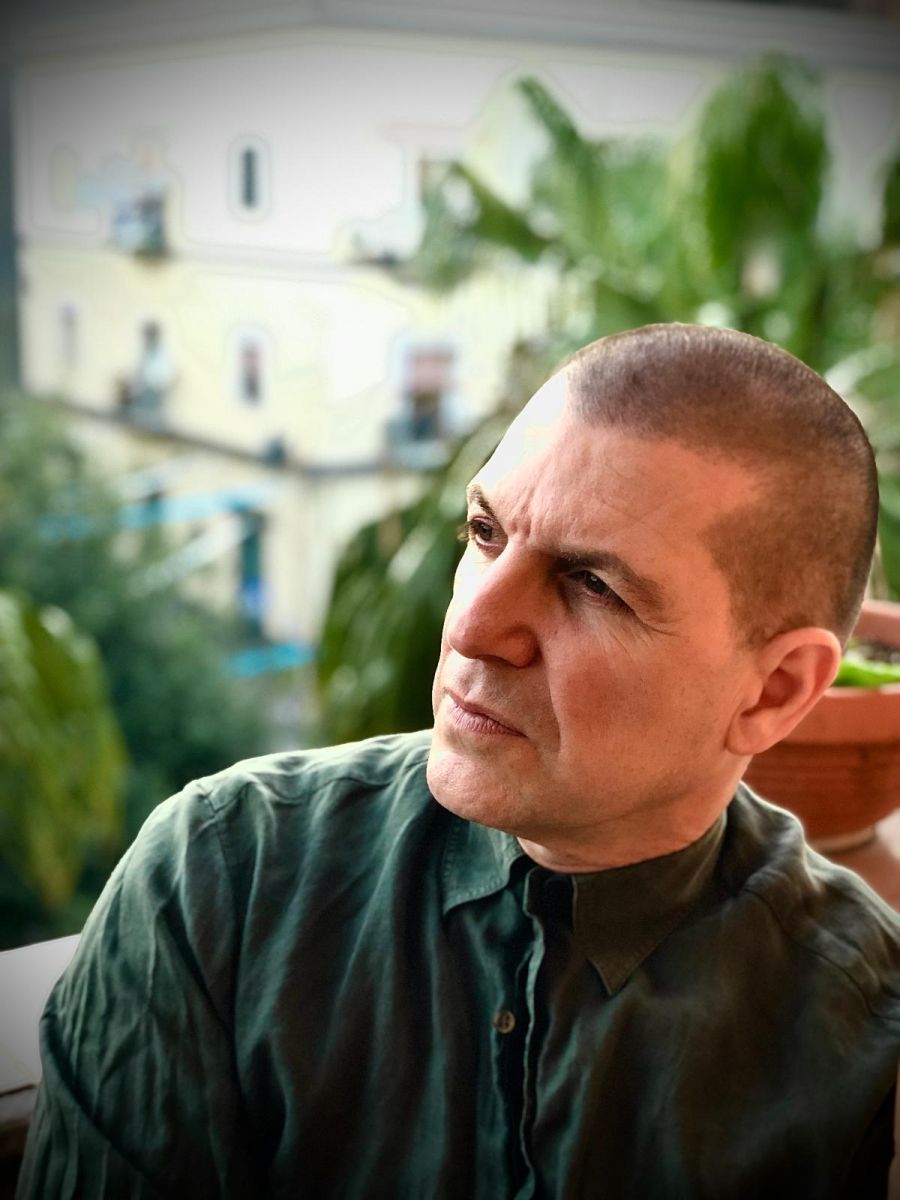
Davide Iodice
Gallery